


At What Age Should a Child's First Dental Visit Be?
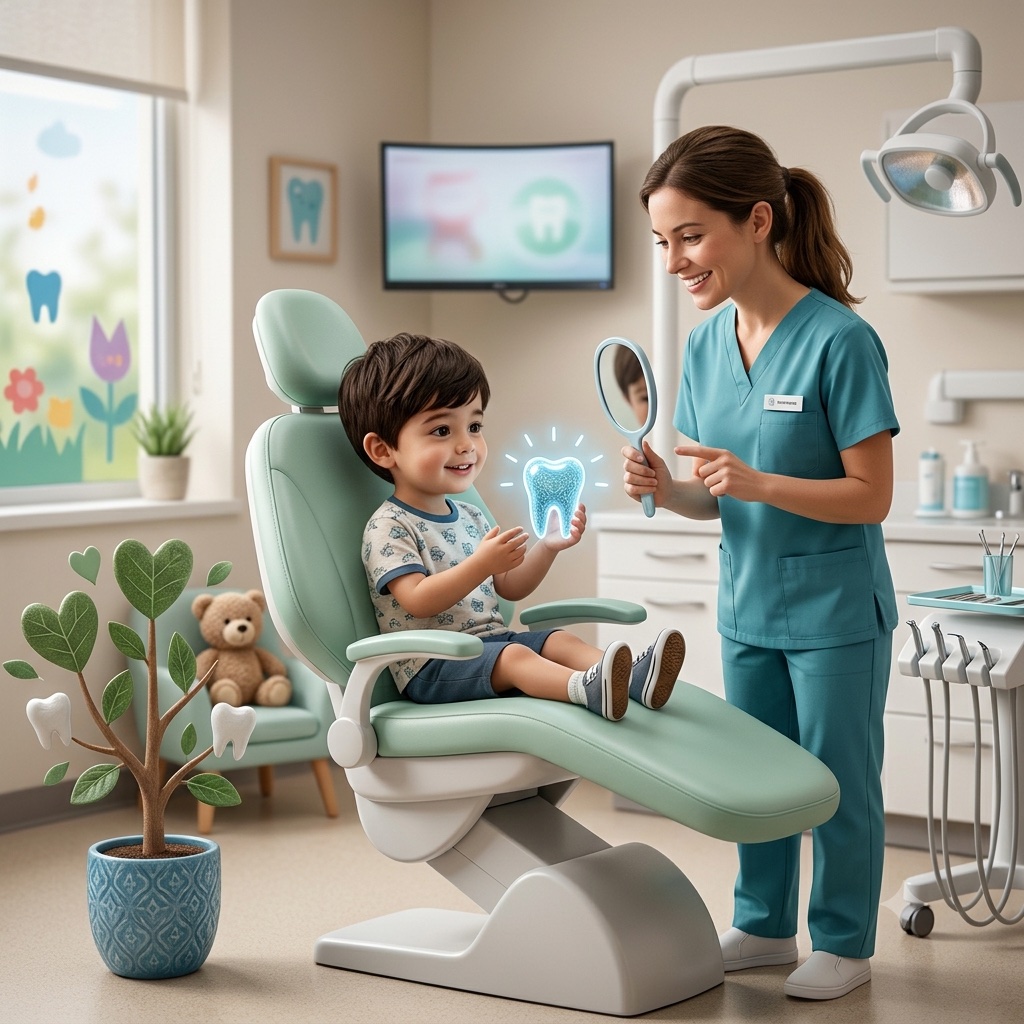
Many parents wonder when they should take their child to the dentist, and most assume, "I'll go when there's a problem with their teeth." Yet in children's dental health, an early introduction is about prevention far more than treatment. The first check-up does more than simply examine the teeth; it helps the child get off to a positive start with the dental environment so that they won't fear these visits in the future. In this article, we explain when a child's first dental check-up should take place and why this early visit matters so much.
The Ideal Time for the First Dental Check-Up
The general recommendation from experts is that a child's first dental check-up should take place within six months of the first tooth coming in, or by the age of one at the latest. This may seem early to many parents, since at that stage there are only a few baby teeth in the mouth. However, the goal of this first visit is not comprehensive treatment but a preventive start. The dentist evaluates whether the teeth are coming in healthily, explains proper oral care to the parents, and anticipates potential risks before they develop. This early monitoring is the most effective way to prevent cavities and other problems down the road.
Dental Monitoring by Age Range
A child's dental development goes through specific stages, and each stage has its own priorities:
| Age Range | Key Focus |
|---|---|
| 0-1 years | Eruption of the first teeth, first check-up, and parent guidance |
| 1-3 years | Completion of the baby teeth, building a brushing habit |
| 3-6 years | Period of increased cavity risk, preventive applications |
| 6-12 years | Mixed dentition, eruption of permanent teeth, and orthodontic monitoring |
These stages can vary slightly from one child to another. What matters is keeping track, through regular check-ups, of whether development is progressing healthily.
Why Is an Early Check-Up So Important?
Because baby teeth are temporary, they are sometimes seen as unimportant, yet they actually play a critical role in the child's nutrition, speech development, and the healthy eruption of the permanent teeth. A baby tooth that decays early or is lost prematurely can cause the permanent tooth beneath it to come in out of place, leading to orthodontic problems later on. Thanks to an early check-up, cavities are spotted while still in their initial stage, prevented through protective applications, and the child develops dental health awareness at a young age. In addition, regular visits help the child see the dentist as a safe and familiar place, preventing the fear of the dentist that can otherwise develop later in life.
How Should You Prepare for the First Check-Up?
A positive first visit depends largely on the parent's approach. It is important not to describe the dentist to the child as something frightening, but rather to present it as a new and fun experience. Scheduling the appointment for a time when the child is well-rested and not hungry helps the process go more smoothly. Instead of phrases with negative associations like "it won't hurt" or "don't be scared," talking about the visit in simple, positive terms reduces the child's anxiety. At clinics that specialize in pediatric dentistry (pedodontics), the process usually goes far more pleasantly than expected, since the dentists are experienced in communicating with this age group.
The Right Start for Your Child's Dental Health
In children's dental health, the most valuable approach is to act before a problem arises. Regular check-ups that begin early both safeguard the healthy development of the teeth and lay the groundwork for the child to build healthy habits that last a lifetime. At Estetica Denta, with our approach tailored to children, we care about turning their first introduction to the dentist into a positive and reassuring experience.
Your Child's First Dental Visit in Bağlıca, Etimesgut
Where a first dental visit happens matters almost as much as when: a short trip means your child arrives calm rather than tired, and the appointment stays a positive memory. For families in Bağlıca and the wider Etimesgut area, the first visit at our clinic is usually a playful introduction handled by our pediatric dentistry team, focused on trust as much as on teeth.
During that session the dentist checks how the baby teeth are coming in and answers your questions about feeding, bottle habits and brushing. When you request a time through the appointment form, let us know your child's nap and school schedule and we will try to work around it; you can also contact us beforehand with anything you are unsure about.
Frequently Asked Questions (FAQ)
My child only has a few teeth so far - should I still take them in?
Yes. The purpose of the first check-up is not to examine a large number of teeth, but to make a healthy start. At the visit after the first tooth comes in, the dentist assesses development and explains the right care methods to you. This early monitoring is the foundation for preventing problems in the future.
Baby teeth fall out anyway - is there any need to treat them?
Absolutely. Baby teeth are important for a child's nutrition, speech, and the correct eruption of the permanent teeth. A baby tooth that is lost early or decays can cause problems in the alignment of the permanent teeth. For this reason, baby teeth should be protected just like permanent teeth.
My child is afraid of the dentist - what should I do?
This is very common and can be overcome with the right approach. It is important to describe the dentist in positive terms, to avoid frightening expressions, and to introduce the child at an early age. Dentists experienced in pediatric dentistry use special methods to communicate with this age group.
What happens at the first check-up?
The first check-up usually consists of examining the teeth and gums, evaluating development, and informing the parent about proper oral care. More often than not, this visit is short, painless, and serves as an introduction that helps the child get comfortable with the environment.
Where can I go in Ankara for a children's dental check-up?
At Estetica Denta Oral and Dental Health Clinic, serving the Bağlıca area, first check-ups and preventive applications are carried out as part of pediatric dentistry (pedodontics). By making an appointment, you can give your child's dental health the right start.


