The first dental check-up is an important evaluation performed before starting dental treatment. This examination provides an overall picture of oral health.
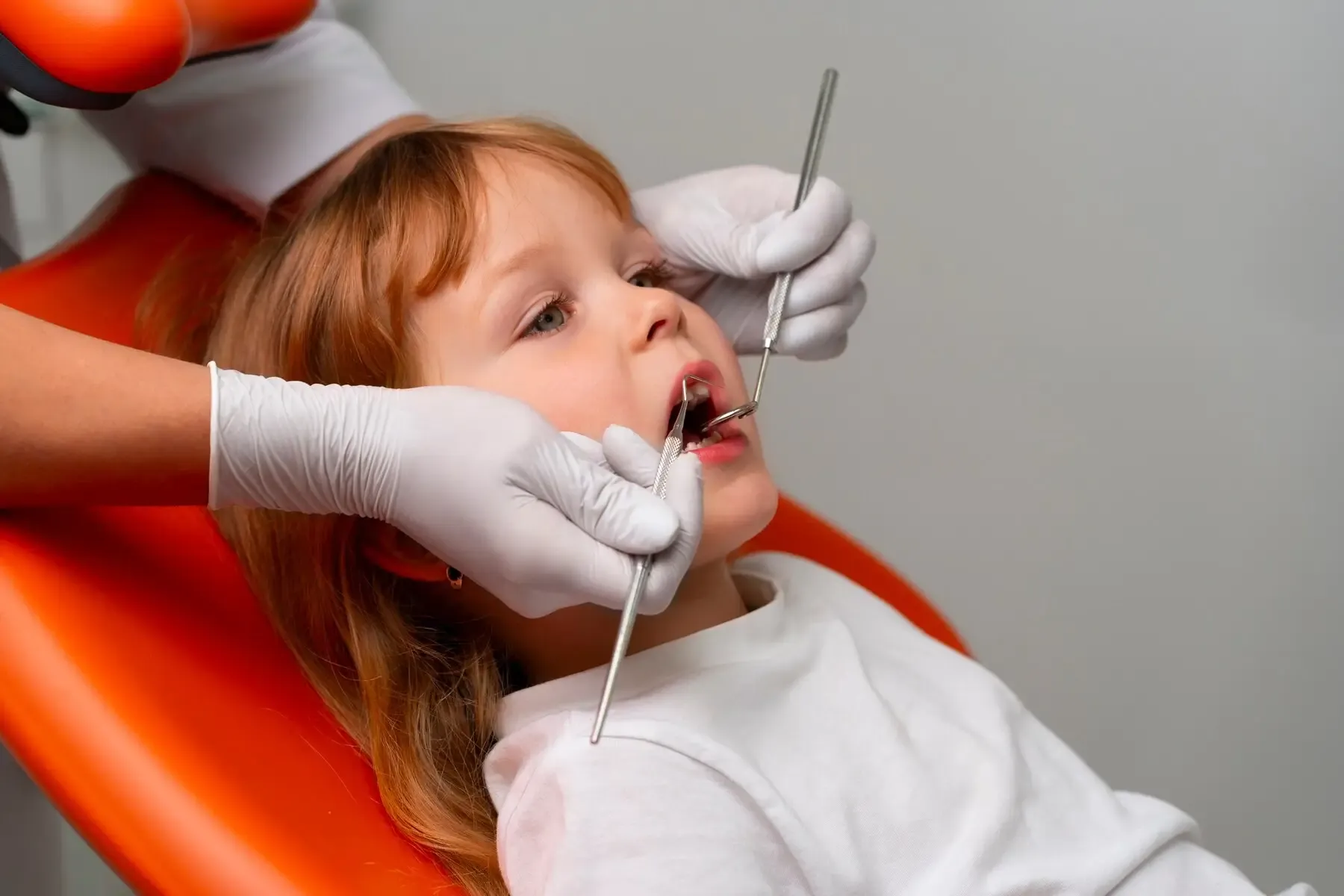
Oral and dental health is an integral part of overall health. In childhood, maintaining oral and dental health plays a major role in preserving general health. Regular dental care, especially during children's development, minimizes dental issues they may encounter later in life. The first dental check-up is a critical step in maintaining oral health in children. Experts recommend that babies visit a dentist by their first birthday, at the latest, after the eruption of their first tooth. This first check-up not only evaluates whether the eruption of the teeth is in the correct order but also provides an opportunity to assess the child's overall oral health and mouth structure. Through this check-up, future dental problems such as cavities, misalignment, and jaw issues can be detected early.
The first dental check-up is not only important for dental health but also for helping children become accustomed to the dentist and avoid anxiety during future visits. Early visits to the dentist can prevent the development of dental fear in children. Moreover, educating parents about their children's dental care helps prevent harmful habits at an early stage. Maintaining children's oral and dental health is possible through regular dental check-ups. Therefore, it is a critical step for parents to avoid delaying the dental check-up to lay the foundation for healthy oral structure and overall health.
During the first dental check-up, the dentist evaluates the child's oral structure and the overall condition of the gums. This check-up not only detects the presence of tooth decay but also checks whether the child's teeth are erupting properly. Early detection of tooth decay in children helps prevent bigger issues later on. Additionally, during this process, the dentist assesses the child’s oral hygiene habits and provides parents with information on proper brushing techniques. Guiding parents in their children's oral care contributes to maintaining healthy teeth and oral structure in the long term.
The dentist also evaluates whether the child has habits such as thumb sucking or bottle use. These habits can lead to problems with the jaw and dental structure in the long term. The dentist will offer suggestions to eliminate the negative effects of these habits. Ensuring healthy development of the child's dental structure during their growth process minimizes the need for orthodontic treatments later on. Therefore, the first dental check-up is not only essential for detecting existing issues but also for preventing potential future problems.
The child's first meeting with the dentist is a critical step in how they will experience this process. It is important for parents to approach this situation correctly when preparing their child. Using frightening words about the dentist before the first dental check-up can cause the child to develop a negative perspective about this process. Parents should explain the dental visit as a natural process and approach it in a way that reduces the child's anxiety. Additionally, reading storybooks about dental health or showing positive videos about the dentist before the visit may be helpful during this process.
It is also important for parents to avoid behaviors such as rewarding or scaring their child. Promises made before the dental visit can lead the child to perceive the procedures as difficult or painful. Instead, parents should ensure that their child sees the dental visit as a positive experience. During the first check-up, dentists usually play games with children to build their trust and introduce the dental instruments. This is an effective approach to prevent dental fear and ensure that future visits to the dentist are smooth.
Protecting your child's oral and dental health is one of the first steps in maintaining their overall health. Timely attendance to the first dental check-up not only helps preserve dental health but also enables your child to build a trusting relationship with the dentist. Early check-ups prevent potential oral and dental health problems that may arise in the future and support the healthy growth of your child. As parents, being aware of dental health and instilling good habits in your children will help them have healthy teeth throughout their lives.
Discover the wide range of dental health and aesthetic treatment options we offer.

 | Web Design and Software


