


What Causes Gum Recession? Symptoms and Treatment
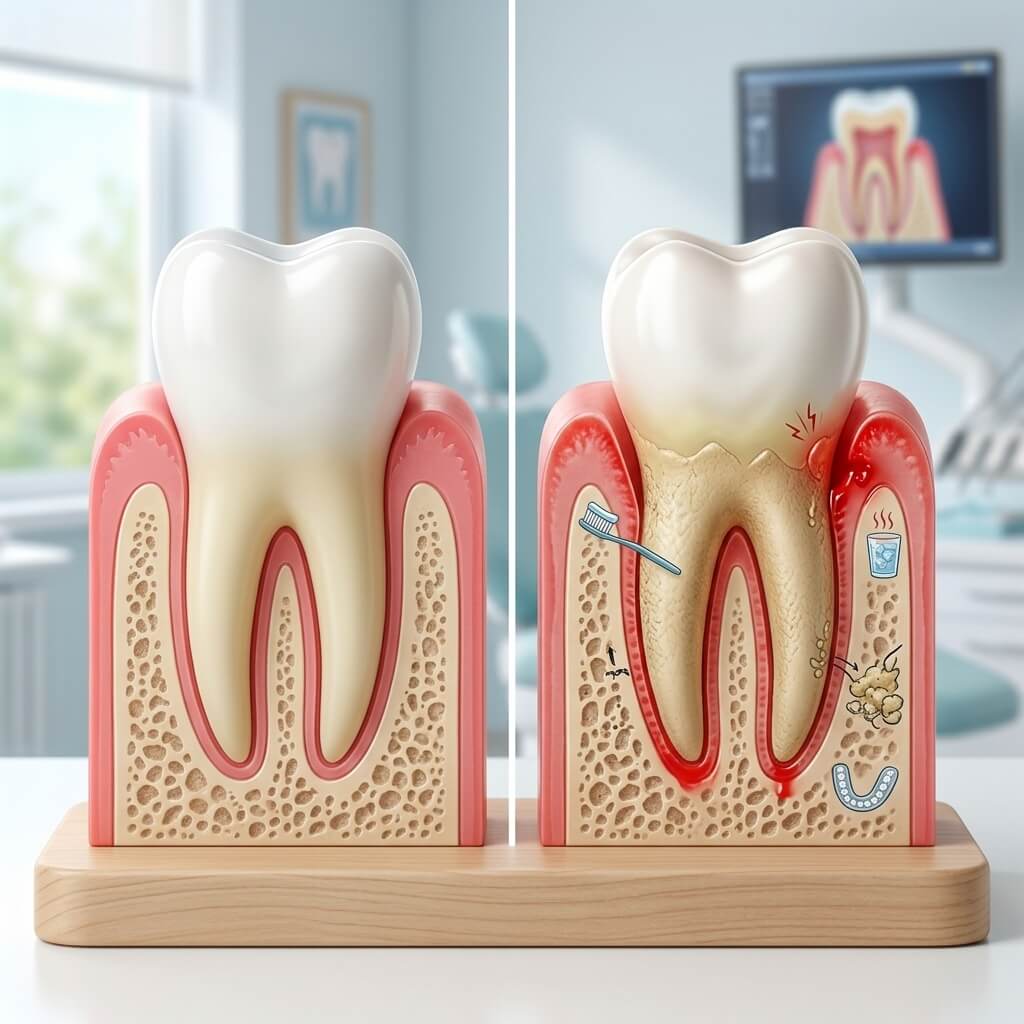
Gum recession is the condition in which the gum gradually pulls back, exposing the tooth root. Because it usually progresses slowly, it often takes time to notice; however, as it advances it can lead to tooth sensitivity, a compromised appearance, and more serious problems. Complaints such as "my teeth have started to look longer" or "cold and hot foods bother me" frequently point to underlying gum recession. In this article, we take a detailed look at the causes and symptoms of gum recession and the treatment methods used to address it.
What Is Gum Recession?
A healthy gum surrounds and protects the tooth root. In gum recession, this tissue draws back, and the root surface that is normally shielded beneath the gum becomes exposed to the mouth. Because the root surface is not as durable as the enamel covering the visible part of the tooth, once exposed it becomes more vulnerable both to external factors and to decay. For this reason, gum recession is not merely an aesthetic concern but a condition that directly affects your dental health, and early intervention is important to stop it from progressing.
Causes of Gum Recession
Gum recession usually develops not from a single cause but from a combination of several factors. The most common causes are as follows:
- Hard, improper brushing: Brushing with a very hard brush or excessive pressure, scrubbing side to side, gradually wears down the gum.
- Gum diseases (periodontal disease): The progression of gum inflammation causes the tissue and the surrounding bone to recede.
- Poor oral hygiene: The buildup of plaque and tartar triggers gum inflammation, setting the stage for recession.
- Clenching and grinding (bruxism): The excessive force placed on the teeth causes damage to the gum and supporting tissues.
- Genetic predisposition: In some people, the gum tissue is structurally thinner and more prone to recession.
- Misaligned teeth: Crowded or poorly positioned teeth can cause the gum to be strained more heavily in certain areas.
Symptoms of Gum Recession
Because gum recession can progress insidiously, noticing its symptoms early is important for the success of treatment. Among the most common symptoms are teeth appearing longer than they are, sensitivity at the border between the tooth and gum, and a sharp sensitivity especially to cold and hot foods. In addition, the visible exposure of the tooth root, gaps opening up between the teeth, and redness or bleeding in the gum can also signal recession. When you notice any of these symptoms, consulting a dentist is the most effective way to prevent the problem from advancing.
Gum Recession Treatment Methods
Treatment is determined according to the cause of the recession and how far it has progressed; therefore, the same method is not applied to every patient. In mild cases, the priority is to eliminate the factor causing the recession. Correcting improper brushing habits, professional tartar cleaning, and treating gum inflammation are often enough to stop the progression. If there is a clenching problem, a night guard may be recommended.
In advanced cases where the root surface is significantly exposed, methods such as gum surgery (grafting) may come into consideration. In this procedure, the patient's own tissue or suitable graft materials are used to cover the exposed root surface. The aim is both to protect the root surface and to improve the aesthetic appearance. Which method will be applied only becomes clear after a detailed gum examination. The most important point to keep in mind is that receded gum does not return to its former state on its own; this is why early intervention is critical.
How Is Gum Recession Prevented?
A large part of gum recession is a condition that can be prevented with the right habits. Brushing with a soft-bristled toothbrush, without applying pressure and with the correct technique, is the foundation of protecting the gum. Regular use of dental floss supports gum health by preventing plaque buildup. In addition, routine dental check-ups every six months ensure both that tartar cleaning is carried out regularly and that any potential recession is caught while still in its early stages. At Estetica Denta, we place great importance on regular check-ups and proper oral care habits so that you can protect your gum health.
Treating Gum Recession Early: Our Clinic in Etimesgut
What makes gum recession worth taking seriously is that lost gum tissue does not simply grow back, so early assessment matters more here than with most dental issues. At our clinic in Bağlıca, Etimesgut, the first step is identifying the cause — aggressive brushing, grinding, or underlying gum disease — because each one calls for a different approach within our general dental care.
If sensitivity has already started, there are ways to slow the progression, but which one suits you is decided after an examination rather than guessed from symptoms. Regular follow-up is what keeps recession under control, and patients living around Etimesgut find that easy to maintain with a clinic nearby. To have your gums checked, book an appointment or get in touch with us.
Frequently Asked Questions (FAQ)
Does receded gum come back on its own?
No. Once gum tissue has receded, it does not return to its former state on its own. However, the progression of the recession can be stopped by eliminating its cause. In advanced cases, it may be possible to cover the root surface with gum surgery. This is why early intervention is so important.
Does gum recession cause pain?
The recession itself does not always cause pain, but because of the exposed root surface, a noticeable sensitivity develops especially to cold, hot, and sweet foods. This sensitivity can make daily life difficult and can be reduced with treatment.
Does hard brushing really harm the gum?
Yes. Brushing with a hard brush or excessive pressure is one of the most common causes of gum wear. Cleaning comes not from the force of brushing but from the correct technique. A soft-bristled brush and gentle movements protect the gum.
Does gum recession lead to tooth loss?
In advanced, untreated cases, gum recession can progress to loosening of the teeth and, at an advanced stage, even tooth loss, due to the loss of the supporting tissues and bone. Early diagnosis and treatment significantly reduce this risk.
Where can I go in Ankara for gum treatment?
At the Estetica Denta Oral and Dental Health Clinic serving in Bağlıca, the cause of gum recession is evaluated and a treatment suited to you is planned. By making an appointment, you can have your gum health checked and receive the necessary intervention in good time.


